Before the Aisle: Making Room for the Getting-Ready Story
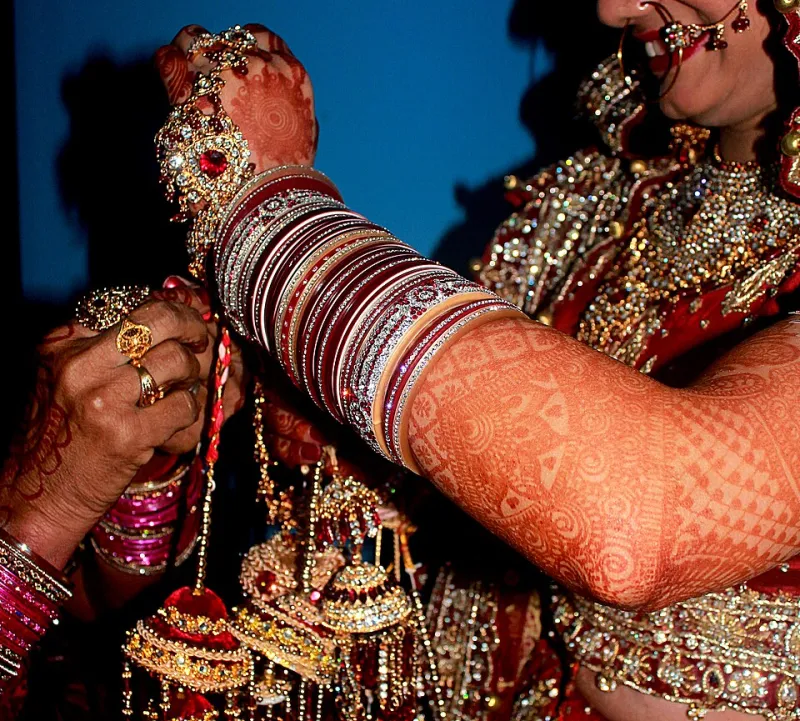
Photo: Sumita Roy Dutta, CC BY-SA 4.0, via Wikimedia Commons
If you asked most couples which part of their wedding day they remember least clearly, a surprising number will say the morning. It goes fast, it's loud, and nobody is quite sure who has the rings. And yet, when the photographs come back, it's often the getting-ready frames that get screenshotted and sent to the group chat before the ceremony ones do.
There's a reason for that. The ceremony is a performance — beautiful, but rehearsed. The preparation room is not. It's the last stretch of the day where everyone is simply themselves, and that's precisely what makes it worth photographing.
What actually happens in there
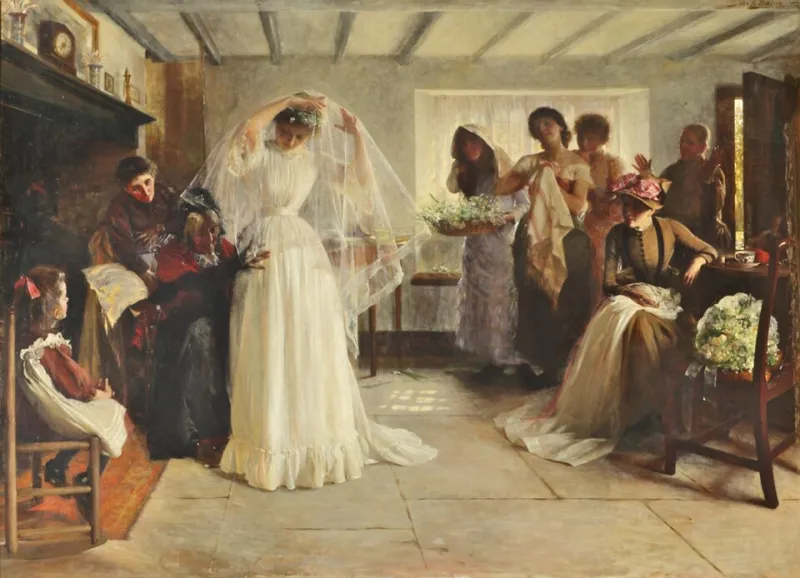
A getting-ready room contains, at minimum: one dress, at least four people who all believe they know how to fasten it, a makeup artist working to a schedule that is already slipping, a mother doing something useful with her hands so she doesn't cry, and a phone playing a playlist that nobody will admit choosing.
Then there are the small things. The grandmother's ring being taken out of tissue paper. The nephew in a waistcoat two sizes too big, running laps of the corridor. Someone reading the card that came with the flowers for the fourth time. The two minutes when the room empties out and the bride or groom is briefly, completely alone in front of a mirror.
Those are the frames. They're not staged and they can't be recreated later, which is exactly why they deserve planning time — not so they can be manufactured, but so they aren't missed.
Choosing the room matters more than you'd think
Photographers are not fussy about much, but we are quietly fussy about this. The room you get ready in shapes the entire visual tone of the morning, and it's genuinely worth factoring in when you pick a venue or a hotel.
What helps:
- At least one decent-sized window, ideally not facing a car park. North light is lovely, but any large window with a sheer curtain will do.
- Space to move. A room where four people can stand without touching furniture.
- Neutral or warm walls. Cream, soft grey, pale green. Busy wallpaper fights for attention in every frame.
- A clean backdrop for the dress. A plain wall, a window, a mirror. That's the shot.
- Access to a second room. Even a corridor or a neighbouring hotel room helps enormously — one space for the dress, one for hair and makeup and bags.
What hurts:
- Downlight-only rooms with no natural light at all. Workable, but everything becomes a compromise.
- Tiny box rooms with the bed pushed against the wall and nowhere to stand back.
- A room that is also the storage room for the venue's spare chairs.
If you're getting ready at home, none of this is a problem — it's already your space, it already feels like you, and that's worth a great deal. Just move the ironing board.
The clutter conversation
Nobody expects a spotless room. A getting-ready room is a working room; it should look like one. But there's a difference between lived-in and logjam, and a few small habits make a real difference:
- Nominate a bag corner. Every tote, shoe box and gift bag goes in one place, out of the middle of the floor.
- Keep hangers together. The plastic wrapping from the dress is the single most disruptive object in any getting-ready room.
- Feed your people. Bottles, cups and half-eaten pastries end up in the background of otherwise lovely photographs. A tray on a side table is not just kindness — it's set dressing.
- Don't tidy the details away. Lay the jewellery, the invitations, the perfume, the grandmother's handkerchief and the shoes on a windowsill or a table and leave them there. Those still-life frames are ten seconds of work and some of the most-kept images of the day.
Build in time you'll actually want
The most common timeline mistake isn't running late — it's finishing late and then rushing straight out of the door. If hair and makeup are due to end at 12:30 and the ceremony is at 1:30, that leaves an hour, and an hour evaporates.
A more realistic shape:
- Final thirty minutes reserved for the dress (or suit) and the portraits in the room. No makeup, no questions, no vendors needing signatures.
- Ten minutes with the immediate family, once everyone is dressed. This is when the group photos in the room happen, and when parents get that moment they didn't know they needed.
- Five minutes alone. Seriously. Ask the room to step out. It's the most photographically valuable five minutes of the morning and it costs nothing.
Tell your photographer when the dress goes on. Not a general 'around twelve' — an actual heads-up, ten minutes before. It's the one moment in the day you cannot redo.
A note on phones and people
There's no rule here, only a trade-off. A room full of raised phones produces photographs of people photographing, which is honest but rarely what anyone frames. If you want the unguarded version, ask for it gently in advance — a note in the group chat the night before works better than an announcement on the day.
And invite the people you actually want in the room. Not the ones you feel obliged to include. A crowded getting-ready room is hot, chaotic and difficult to photograph. A room with six people who genuinely belong there is a story.
The last calm minutes
At some point the hairspray settles, someone finds the other earring, and the room goes quiet in a way it hasn't all morning. That's the moment. Not the dress, not the shoes, not the confetti — that pause, with the door open and the ceremony waiting somewhere down a corridor.
Plan the room. Guard the time. Then get out of the way and let it happen.