A Year of Not Posing: The 2026 Family Portrait Project in Twelve Frames
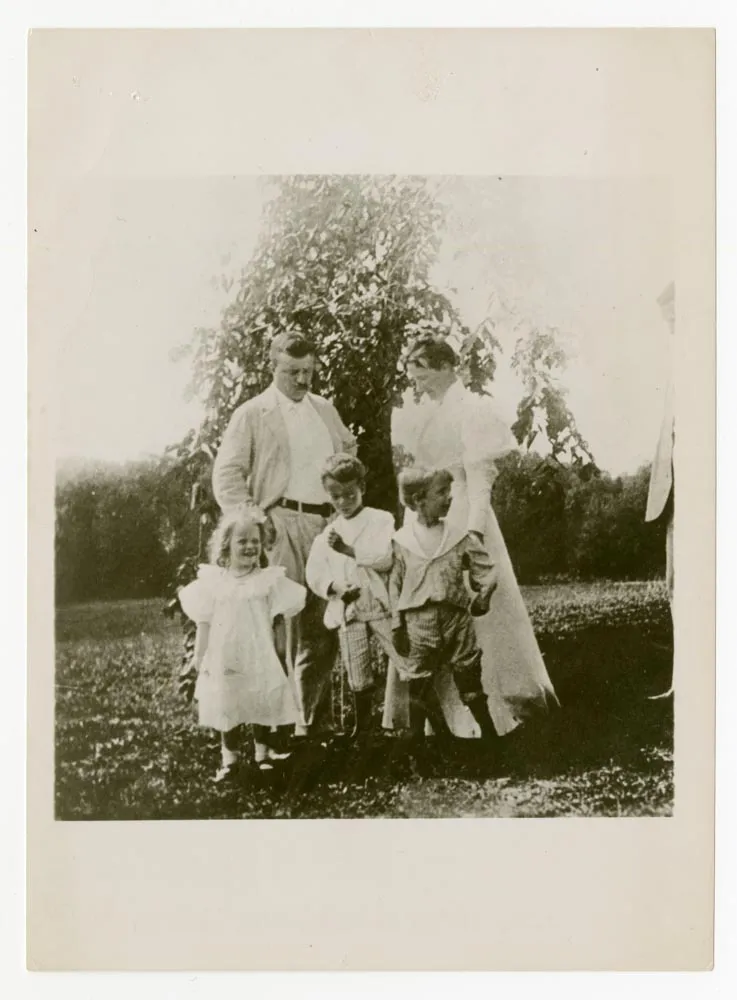
Photo: NPS, Public domain, via Wikimedia Commons
Most families do not want a photoshoot. They want photographs.
There is a difference, and it usually shows up around the third year of nobody booking anything. The school photos are in a drawer. The last proper picture of all four of you, together, is from a holiday in 2018 and somebody's eyes are closed. The idea of a studio session with matching jumpers is genuinely upsetting to at least two members of the household.
So here is an alternative that asks almost nothing of anyone: one frame a month, taken in a place you already go, printed by December. Twelve photographs, one year, no posing.
The Rules (There Are Only Four)
- One frame a month. Not a shoot. One frame. If you take twenty and pick one, fine, but the aim is to be done in ninety seconds.
- It has to be an ordinary day. No occasions, no outfits chosen the night before. School shoes, supermarket jumpers, whatever was on.
- Nobody says cheese. If someone is looking at the camera and smiling like a hostage, delete it and try again next month.
- All twelve printed by 1 December 2026. This is the rule that turns it from a nice idea into an album.
The Twelve Prompts
The point of each prompt is that it describes a place and a season rather than a pose. You turn up, you take the picture, you get on with your day.
January — The Kitchen Window
Grey light, half-term nothing, someone standing at the counter waiting for the kettle. Shoot from the doorway. The kitchen is the most honest room in any British house and January is the most honest month.
February — The Wet Walk
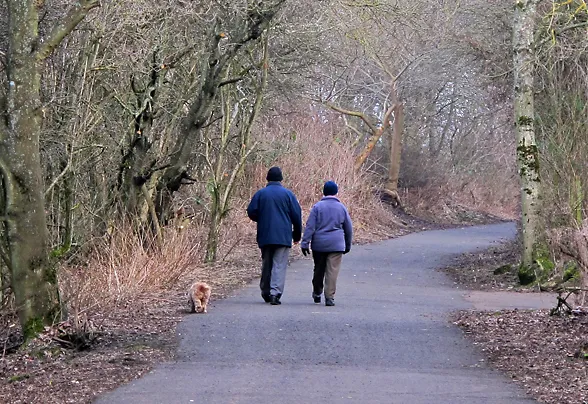
Pick the nearest park, canal towpath or muddy footpath and go out in weather that would normally keep you in. Wellies, hoods up, breath visible. Photograph the walk rather than the people — they will be in it anyway.
March — First Daffodils
Every street in the country has a patch of them. Stand the family next to the least embarrassing one and shoot wide. The point is the date as much as the faces.
April — The Garden, Whatever State It Is In
Do not tidy it first. The half-finished border, the trampoline, the bin bags waiting for the tip — that is what your garden actually looks like and it will be unrecognisable in ten years.
May — Bluebell Wood or the Rec
If you have a bluebell wood nearby, go early on a weekday evening when it is empty. If you don't, the local rec in golden hour does the same job with less pollen.
June — The Long Evening
British summer gives you light until nearly ten. Take the frame at half eight, outside, after tea, when everyone is too tired to object.
July — Water Somewhere
Paddling pool, lido, beach, riverbank, grandparents' sprinkler. Wet hair, sunburn, towels. This month is the easiest one in the whole project.
August — Somewhere You Go Every Year
The caravan, the same caravan site, the same seafront, the same chip shop bench. Repetition is the entire point. Photograph the place as carefully as the people.
September — New Shoes
Back to school, uniform slightly too big, standing by the front door for the first time in the new term. One frame, taken on the doorstep, ten seconds before you leave.
October — Conkers and Cold Hands
Someone holding something they found. A conker, a leaf, a stick the dog brought over. Photograph the hands and the face separately if you can manage it.
November — Fireworks and Wet Windows
Bonfire night, or the fifth of November rain on the glass. Shoot the family silhouetted against the window with the lights off. It is a cheat, it works every time, and it needs no direction at all.
December — Tree Lights
Lights off, tree on, everyone on the sofa. One frame, from the doorway, no flash. This is the one that usually ends up framed.
What to Do With a Camera-Shy Family
The main obstacle to this project is not time. It is the person — often a teenager, often a husband — who sees a lens and instantly becomes a different, stiffer human being.
A few things that help:
- Give them a job. Kettle, dog lead, bag carrier, baby holder. Hands that are busy do not have to be posed.
- Shoot from further away than feels right. Long lens, across a room, through a doorway. Being photographed is much easier from six metres away.
- Turn them round. Backs turned, looking out of a window, walking away down a lane. Half the frames in this project can be taken from behind and nobody minds at all.
- Don't review the images in front of them. Nothing makes a reluctant subject stiffer than watching you flick through pictures of themselves. Look later.
- Take one and stop. If you push for a second, you have turned a moment into a session, and the whole premise collapses.
- Let the dog be in it. It is not cheating. It is a well-known photographic technique with a very high success rate.
The Printing Plan
This is where most family photo projects quietly die. So build the ending in from January.
- Keep a folder. One folder on your phone, named 2026, and drop the chosen frame into it each month. Nothing else goes in.
- On 1 December, choose. Twelve images, no more. If a month is missing, use a photograph from the same week taken by somebody else and move on.
- Order prints before 10 December. Twelve square 8×8 or 6×6 prints from a proper lab, not a supermarket kiosk. This is the one place to spend a little.
- Use a slip-in album. No mounting, no layouts, no glue. A simple linen twelve-page album takes an evening and removes every excuse.
- Caption as you go in. One line each: the date, the place, and one thing that was happening that nobody would otherwise remember.
- Put one on the wall. A single pinboard, changed monthly, so the project is visible while it is happening rather than only at the end.
What You Actually End Up With
Not a photoshoot. A record — of a wet February, a hot fortnight in July, a doorstep in September and a kitchen in January that will be redecorated long before anyone looks again.
The faces are the point, but the places are the memory. Twelve ordinary British settings, twelve unposed frames, and by December a small album with your family's actual year in it. That is worth ninety seconds a month.