Shuttered Arcades, Silver Water: A Winter Coastal Portrait Guide
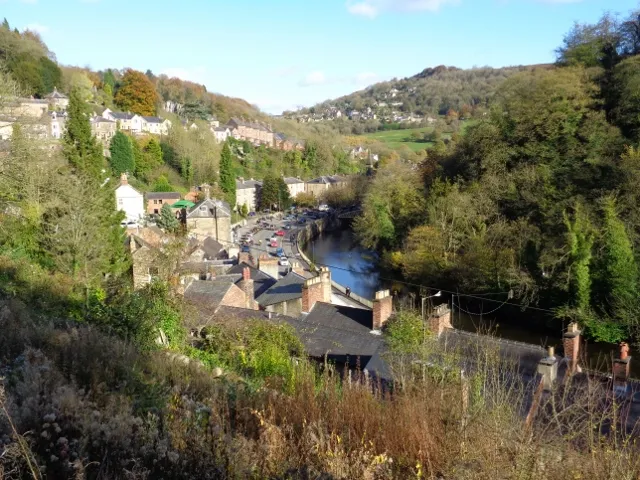
Photo: Ashley Dace , CC BY-SA 2.0, via Wikimedia Commons
There is a particular sound on a British seafront in February. Not silence, exactly. More a loose collection of small noises: a flag rope tapping against a pole, gulls arguing over a chip wrapper, the sea dragging pebbles back down the beach. The arcade is shut. The ice-cream kiosk has its shutters down. The promenade belongs to dog walkers, runners and people who live there. It is, in other words, a very good place to take a portrait.
Why the empty promenade suits people better
Summer seaside portraits have a lot to compete with. Bright light, crowds, a background full of other people's buckets and spades. The coast is lovely, but it can make a portrait feel like a postcard rather than a person. Between October and March, that changes. The town stops performing. You get benches with peeling paint, wet sand reflecting a grey sky, closed cafés with handwritten signs, and a horizon that feels closer because there is less between you and it.
I like that the off-season coast doesn't ask you to smile at a camera in front of a funfair. It gives you somewhere to stand, something to look at, and a bit of wind in your hair. The result is usually quieter and more personal. Less "we went to the seaside", more "this is who we are when no one is watching".
Light that behaves like a giant softbox
A flat, overcast day is not a problem on the coast. It is the point. Cloud cover over wet sand acts like a enormous diffuser, softening shadows and letting skin tones sit naturally. You can shoot mid-afternoon without squinting. You can shoot into the wind without losing half the frame to harsh contrast.
The light changes quickly, though. On clear winter days the sun hangs low and golden hour can be short enough to miss if you're still looking for parking. I tend to plan sessions around the two hours either side of low tide, when the beach gives you more room and the wet sand picks up whatever colour is in the sky. Check a tide table before you choose a time. A beach that looks generous at 11am can be a thin strip of shingle by 3pm.
Tides, wind and the unglamorous practical bits
A winter coastal shoot is mostly logistics wearing a nice coat. Tide times matter. So does the wind. On exposed stretches, a gust can turn a carefully styled session into a argument with a scarf. Bring layers you can remove or add, and choose fabrics that move rather than fight: wool, cotton, denim, a trench that flaps usefully. Avoid anything so light it will wrap around your face in the first five minutes.
Footwear should be practical enough for wet sand and uneven stone. You can change into smarter shoes once you're on firmer ground, but cold feet end sessions early. I keep a towel, a lens cloth and a plastic bag in the car — salt spray is not a friend to glass. Hand warmers are a small luxury that make a big difference. And if you're shooting with children, build in a warm-up stop. A ten-minute break in a café that is actually open can save the second half of the session.
Picking your stretch of coast
The good news is that Britain is not short of options. The right location depends on the story you want. Whitby gives you abbey ruins, cobbles and a harbour that looks dramatic even in drizzle. Saltburn has a pier and a cliff lift, and a slightly faded seaside elegance that photographs beautifully in low cloud. Further south, Brighton's promenade is busier but the arches and pier give you structure when the beach itself is wet and grey. Hastings has fishing boats and net huts. Margate has a quieter winter edge and some excellent painted facades. On the east coast, Southwold and Aldeburgh offer beach huts, wide skies and a certain briskness that suits wool coats and proper boots.
I would choose one small area rather than trying to cover a whole town. A hundred metres of promenade, a set of steps, a closed kiosk and a bit of beach is plenty. The best coastal portraits often happen in the gaps between landmarks, not in front of them.
The frames that only appear when the town is half asleep
Off-season coastal towns are full of accidental sets. A shuttered arcade with a strip of light underneath. A bandstand with rain pooled on the seats. A row of beach huts with their doors padlocked. The steam from a chip shop queue. A wet promenade reflecting a single streetlamp at four in the afternoon. These are not glamorous backdrops, but they give a portrait context. They say something about place and season without needing a caption.
I also like the local rhythm. People walking dogs, someone repairing a boat, a couple sharing a flask. You don't need to include strangers in the frame, but their presence can make the location feel real rather than staged. Be respectful, of course. Closed businesses are still private property, and a quiet town is not an empty studio. Ask before shooting near stalls or doorways, keep out of the way on the promenade, and don't treat a working harbour as a backdrop you can rearrange.
Styling for weather without looking like a fell walker
The temptation in winter is to dress for survival. That's sensible, but you can still look like yourself. A good coat does a lot of work. So does texture — chunky knit, corduroy, a scarf with a bit of colour, boots that can handle a puddle. Avoid all-black if the sky is already flat; a little contrast helps separate you from the background. If you're worried about the cold, bring a thermos and a spare jumper. The camera can wait while you warm up.
And don't fight the wind. Hair will move. Coats will billow. That is part of the look. Some of the best frames from a coastal session are the ones where someone is laughing and holding their hood up, or turning their face away from the spray. It feels honest. The coast in winter doesn't do polished. It does real.
A quieter kind of seaside story
A summer beach shoot can be lovely, but it is often about the beach. A winter coastal portrait is more likely to be about you. The empty promenade, the silver water, the shuttered arcade — they all make room for a person to be the subject. If you've been putting off a portrait session because the weather looks doubtful, this might be the season to book one. Bring a coat. Check the tide. Let the sea do the rest.