Trestle Tables and Fairy Lights: Why the Village Hall Wedding Photographs So Well
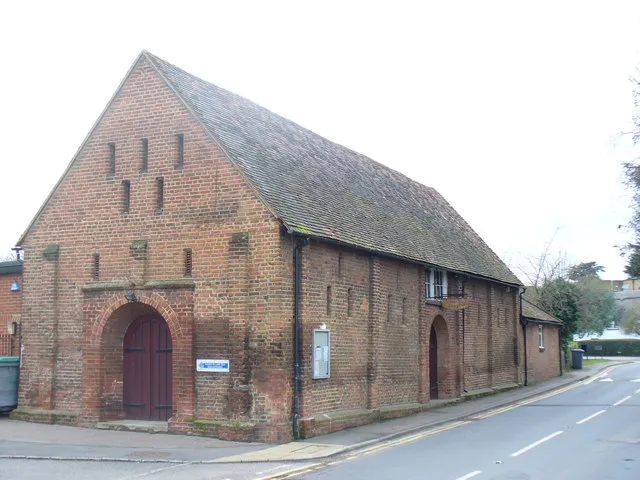
Photo: Colin Smith, CC BY-SA 2.0, via Wikimedia Commons
Village halls don't try to impress you. They smell faintly of floor polish and tea urns, the stage curtains have seen better decades, and there is usually a noticeboard by the door advertising a jumble sale that happened three weeks ago. And yet, give a couple a room like this for a day and something quietly extraordinary happens. The place fills up with people who are not there to perform. They are there to help.
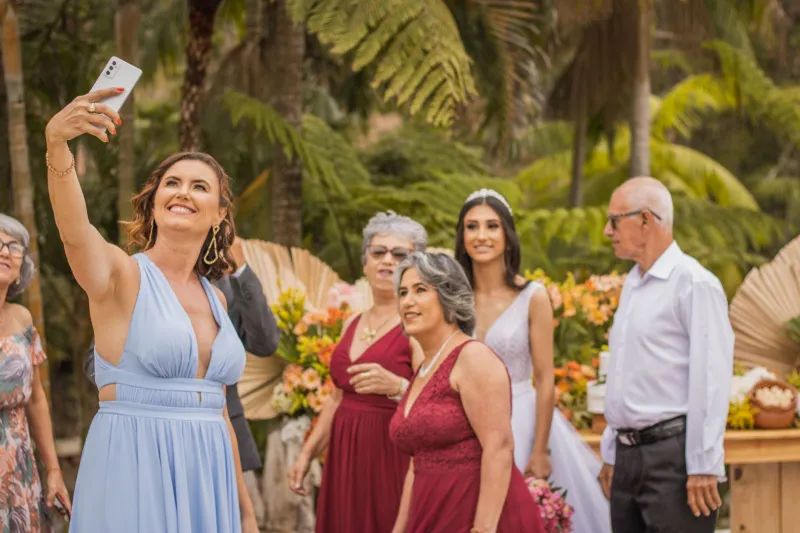
That is the first thing worth saying about photographing a village hall wedding: the room comes with a cast. Not a venue coordinator with a clipboard, but a neighbour who knows where the spare chairs are stacked, a cousin who has been put in charge of the cake table, a grandfather who has quietly arranged the trestle tables into something resembling order. These are the people who make the day, and they are also the people who make the photographs.
The room arrives with a story already in it
Most village halls are not blank canvases. They have a stage, a kitchen hatch, a stack of folding tables with initials scratched into the underside, and a set of doors that slam in a very particular way. None of that is a problem. It is context. A marquee can look lovely, but it could be anywhere. A village hall could only be there.
When I photograph a hall wedding, I spend the first twenty minutes doing very little except watching. Who is carrying what. Where the light falls at four o'clock. Which corner has been claimed by the children. Which doorway is being used as the unofficial smoking and gossip spot. The room tells you how it wants to be photographed if you give it a chance.
Reading the light before you move a single chair
Village halls are honest about their lighting. Often there is too much of it, flat and greenish from overhead fluorescents, or too little of it once the evening draws in. The trick is not to fight the room but to work out what it can give you.
Find the windows first. A side window with net curtains can be a beautiful, soft source for portraits if you position people close to it and turn off the overheads. A stage can work as a natural frame, especially if you put a couple slightly off-centre and let the curtain fall into shadow behind them. The kitchen hatch is a gift for documentary shots, because people gather there without being asked.
Festoon lights are the village hall photographer's best friend. They are warm, they are low, and they create pockets of light that feel intimate rather than institutional. If the couple are hiring lights, ask them to string them across the room rather than around the edges. If they are using the hall's own lighting, ask the caretaker about dimmers and spare bulbs before the day. Small practical questions save large photographic problems later.
Where to put people, and where not to
Layout matters more than decoration. A hall that is set up for a sit-down meal can swallow a couple whole if the tables are pushed too far back. A dance floor that looks generous at 6pm can feel empty by 9pm. When I am helping couples think through the room, I look for three things: a clear route from the ceremony to the food, a corner that can be turned into a quiet portrait spot, and a bit of space where children can run without being under the feet of the caterers.
The best portrait spots are often the least obvious. The porch outside, if there is one. The side door with the paint peeling. The corridor by the toilets, which sounds unromantic but often has the most beautiful window light. The stage, if it is not being used for the band. A village hall does not need a grand staircase to make a good photograph. It needs a bit of texture and a couple who are willing to stand close together for ninety seconds.
The moments that only happen in a hall
Some of the warmest documentary photographs come from the parts of the day that a formal venue might smooth away. The neighbour arriving with a tray of sandwiches. The bride's father on a stepladder adjusting a light. Two cousins carrying a cake across a car park. A child asleep under a trestle table by eight o'clock. The best man reading his speech from the back of a beer mat because he forgot to print it.
These are not the photographs you plan for. They are the ones you notice. A village hall keeps everyone close together, which means the day unfolds in a single room rather than being dispersed across a hotel. That proximity is a gift for a photographer. You do not have to chase the story. It happens around you.
Why the lack of polish works in your favour
There is a particular kind of beauty in a room that is trying its best. The paper tablecloths, the mismatched chairs, the hand-written signs pointing to the loos. None of it is styled to within an inch of its life, and that is why it feels true. When a couple look back at their photographs in ten years, they will not remember whether the napkins matched. They will remember that their friends spent the morning setting out chairs for them.
A village hall wedding does not pretend to be somewhere else. It is a room full of people who have turned up to help, and a photographer's job is simply to notice how much that matters.
A few practical notes before the day
Visit the hall at the same time of day as the wedding, if you can. Ask about the heating, the lighting controls, and whether the stage curtains can be opened. Check where the power sockets are and whether there is space for a small off-camera light if the evening gets dark. Bring spare batteries, because village halls are not known for their convenient charging points. And keep an eye on the kitchen hatch, the porch, and the doorway where the older guests gather. That is usually where the good stuff is.