One Afternoon a Year: How to Photograph a Village Show Without Getting in the Way
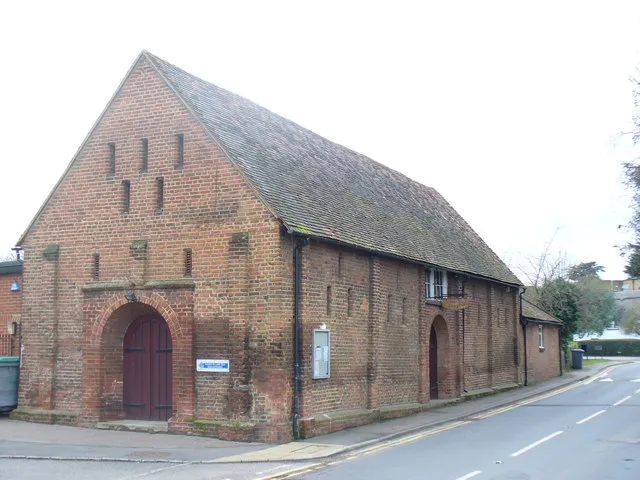
Photo: Kugel~commonswiki, CC BY-SA 4.0, via Wikimedia Commons
There is a particular sound a village show makes at about two in the afternoon. Near the beer tent, a man is laughing at something he said himself. The tannoy crackles and mispronounces a surname. One child is crying because the three-legged race went badly, and another is crying because it went brilliantly. Stand still with the camera down by your side for ten minutes and all of it will arrange itself into pictures.
That is the whole trick. A summer fete is not an event you photograph from the outside — it is a community photographing itself and briefly forgetting you are there. The job is to be pleasantly forgettable, useful when needed, and ready when the rope goes taut.
Ask first, then blend in
Someone has been planning this since February. There is a show secretary, a parish council, a marquee hire invoice and a woman named Janet who has strong views about the scone class. Email the secretary a week ahead rather than relying on charm at the gate. Ask what time the judging starts, where you can and cannot stand, and whether the show has a child photography policy. Most small shows do now, and respecting it is not a box-ticking exercise — it is the difference between being welcomed back next year and not.
Introduce yourself to the stewards. Offer prints or a shared gallery back to the organisers afterwards, free, no strings. That single gesture does more for access than any lens you own.
Follow the light across the field
A showground is a flat, honest space and the sun is unforgiving over it. Flat midday light makes tents into black holes and faces into squints. Two windows are worth waiting for: the soft grey of an overcast afternoon, and the last two hours when the sun drops low enough to come through the bunting and rim every hat brim in gold.
Work the perimeter rather than the middle. Walk the edge of the field, change your angle every twenty minutes, and let the crowd move past you. A 35mm or 50mm equivalent keeps you honest — close enough to be involved, wide enough to keep the context that makes the picture mean anything.
The quiet tent
The produce tent is the most photogenic room in Britain for one weekend a year, and almost nobody photographs it properly. Marrows on paper plates. Carrots tied in threes with garden twine. A Victoria sponge under a doily with a hand-written label in biro. Do not use flash in here — the canvas roof is a giant softbox and the light coming through it is the best you will get all day. Raise the ISO, open up, and get low so the trestle table runs across the frame.
Then photograph the judges. The pause before the ribbon. The folded arms. The slight, awful diplomacy of a man deciding between two nearly identical jars of marmalade. That is the story, more than the jam.
Where it gets loud
Tug-of-war is the loudest ninety seconds in the British calendar. Get low, get behind the rope rather than in front of it, and push the shutter speed to 1/500th or faster to freeze the strain. Watch the anchor at the back — heels dug in, rope around the waist, face doing something entirely unposed. The three-legged race rewards the same approach: crouch at the finish line and let the chaos arrive at you.
The coconut shy, the tombola, the welly wanging — these are all just excuses for expressions. Photograph the person throwing, not the thing being thrown.
The tea tent is the confessional
Sooner or later everyone ends up under the canvas with a urn hissing in the corner and a trestle table of cakes. This is where the show's real portraits live: the ninety-year-old who has judged the dahlias since 1974, the teenager reluctantly buttering scones for her mum, the couple who have been coming since they were engaged. Sit down. Have a cup. Photograph hands, cups, half-eaten slices, the way people lean in to hear each other over the noise.
Knowing when to stop
There is a point in the afternoon when the raffle is drawn, the tables are folded and the field starts to look like a field again. That is the moment to stop shooting. Not every part of a community's day needs to be recorded, and some of it — an argument behind a car, a child who has clearly had enough, a family saying goodbye to someone — is not yours to take.
Put the camera in the bag. Buy a cup of tea you do not need. Tell a stranger their marrow was robbed. You will be back next August, and next year they will nod at you at the gate.