After the Confetti: The Case for a Morning-After Wedding Portrait Session
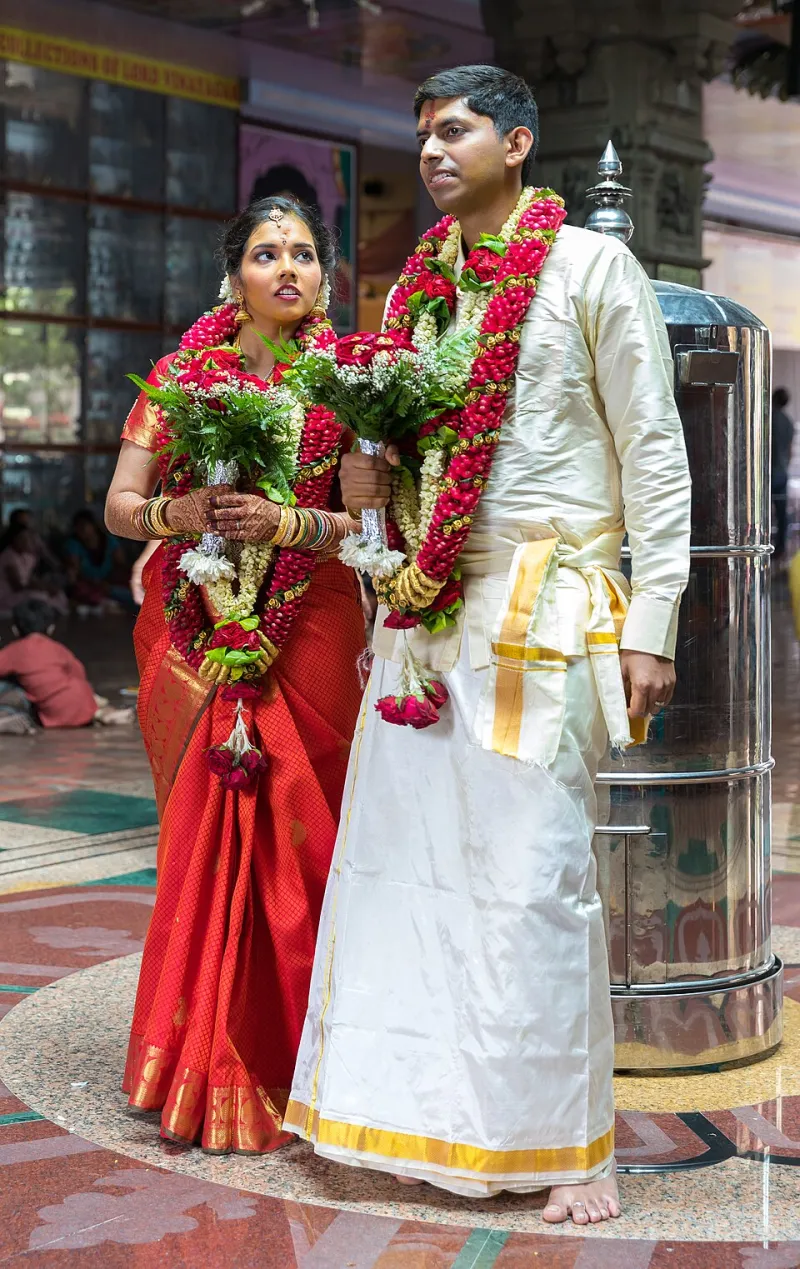
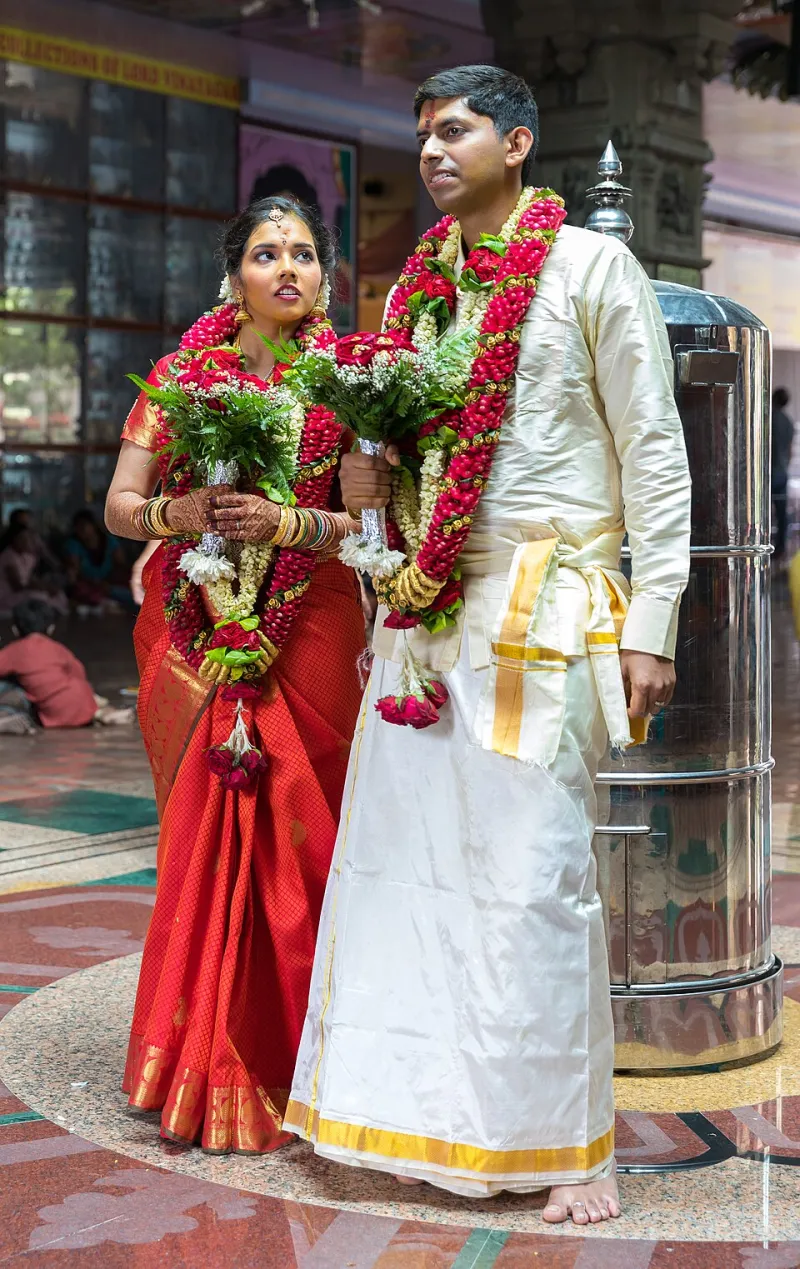
Photo: Basile Morin, CC BY-SA 4.0, via Wikimedia Commons
Most wedding portraits happen in the gaps: between the ceremony and the speeches, between the group shots and the first dance. They are lovely, necessary, and often a little rushed. The morning after the wedding is different. The schedule has gone. The guests have gone. The venue is quiet, the light is soft, and nobody is waiting for you to cut a cake. It is, quietly, one of the best portrait sessions you can build into a wedding weekend — if you plan it properly.
Why the morning after works
A day-after shoot is not a second wedding. It is not a re-enactment. It is a short, low-pressure portrait session in the places and clothes that actually belong to the end of your wedding story. The venue lawns are empty. The high street has not woken up. The coast is yours before the dog walkers arrive. You are tired, probably a bit emotional, and definitely not in the mood for a two-hour photo production — which is exactly why it works. People relax when there is nothing left to perform.
There is also the light. Morning light is softer and lower than midday sun, and in the UK it often comes with a bit of haze or cloud that flatters skin and softens backgrounds. In winter, sunrise may be late enough that you can have breakfast first. In summer, it may mean an early alarm. Either way, it is worth checking the actual sunrise time for your date rather than assuming.
Checkout time is your friend, and your deadline
The first practical question is not location or outfits. It is checkout. Most hotels and venues want you out by 10am or 11am, and that can put pressure on a relaxed morning. Ask about late checkout when you book the wedding, not the week before. Even an extra hour can make the difference between a frantic shoot and a proper wander.
If late checkout is not possible, work backwards. Pack your bags the night before and leave them with reception. Plan a slow breakfast, then shoot for 45 to 60 minutes before you need to leave. A morning-after session does not need to be long. It needs to be unhurried.
What to wear, and what to bring
You do not need to get back into full wedding kit. In fact, the photographs often feel more honest when you don't. A clean, relaxed outfit in a colour that works with the venue is plenty. Bring layers for the UK weather, comfortable shoes for grass or sand, and a second pair if the first gets muddy. If you want to wear something from the wedding — a veil, a jacket, the same earrings — bring one piece rather than the whole look.
Pack a small morning-after kit: make-up wipes, hair pins, a steamer or lint roller, blotting papers, a compact umbrella, and a microfibre cloth for camera lenses and glasses. Hang your outfits the night before. Do not sleep in anything you plan to wear. And give yourselves ten minutes to wake up properly before the camera comes out.
Three UK location types that work before the world wakes up
1. The venue grounds
If you are getting married at a hotel, barn, country house or garden, the venue itself is often the easiest choice. You already have permission to be there, you know where the loos are, and you can retreat indoors if the weather turns. The trick is to check with staff about breakfast service and cleaning schedules. A empty lawn at 8am is perfect; a lawn full of breakfast tables is not. Ask where the staff will be setting up and choose a corner that will not get in their way.
2. A nearby high street
Early on a Sunday, many UK high streets are almost empty. Independent shops are shut, cafés are just opening, and the pavements belong to delivery drivers and dog walkers. This can be brilliant for portraits with a bit of texture and real-life background — shopfronts, bus stops, old signage, a market square. Check whether it is a market day, whether there is a big football fixture, and whether parking is free or a nightmare. Be respectful of residents, and do not block doorways or stand in the road for a shot.
3. A coastal walk
If you are near the coast, a short walk at sunrise can be magic. Check the tide times, the wind forecast and the car park opening hours before you commit. Coastal light changes fast, and a breezy morning can be bracing rather than romantic. Bring a hair tie, a proper coat and shoes with grip. A 20-minute walk from the car park is usually enough. You do not need a dramatic cliff edge; a quiet promenade or a flat beach at low tide often works better.
A weather backup that is not a letdown
British weather does not read the schedule. Have an indoor option agreed in advance: a hotel lobby with good window light, a covered market, an arcade, a station concourse, or a conservatory. Grey skies are not the enemy — they give you soft, even light and rich colours. But wind and horizontal rain are a different matter. If the forecast is genuinely grim, shift the session indoors and keep it short. A few honest frames in a warm lobby will beat a miserable trudge around a car park.
Keep the shoot small
A morning-after session works best when it is treated as a walk, not a production. Agree one or two anchor shots with your photographer, then let the rest happen. Hold hands. Find a bench. Get a coffee. Sit on the steps where you had your first look. The photographs will be better for it.
The practical checklist
- Ask about late checkout when you book the wedding, not the week before.
- Pack your bags the night before and leave them somewhere sensible.
- Confirm permission for any private venue grounds or indoor backup locations.
- Check sunrise, tide times, weather and travel plans.
- Bring a second outfit option and comfortable shoes.
- Pack a touch-up kit, umbrella and lens cloth.
- Plan breakfast. Hunger shows in photographs.
- Do not book an early train unless you have to.
A morning-after shoot is not for everyone. If you are leaving at 7am for a flight, skip it. But if you can build in one slow morning, it can give your wedding weekend a proper ending — and give you the kind of portraits that only happen when the schedule has finally gone quiet.