The Quiet Fifteen: A Field Guide to Registry Office Wedding Photography
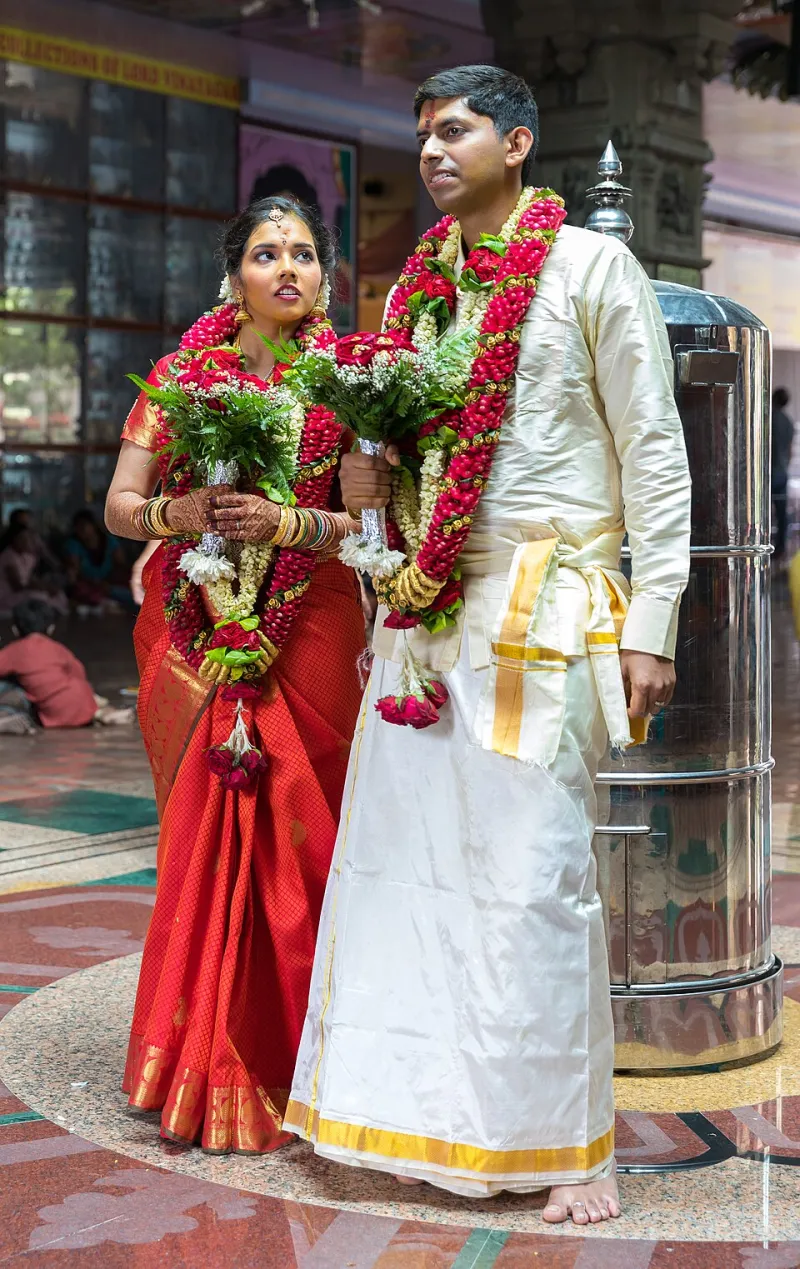
Photo: Basile Morin, CC BY-SA 4.0, via Wikimedia Commons
Registry office weddings have a reputation problem. People hear ‘registry office’ and picture a waiting room, a plastic chair and a form. Then they turn up to a council chamber with a vaulted ceiling, a superintendent registrar in full flow and two witnesses crying in the back row, and they realise the room was never the point.
I’ve photographed enough small ceremonies to know that the quiet ones often carry the most weight. You don’t get a five-piece band or a first dance rehearsal, but you do get a couple who have chosen exactly who they want in the room. That choice is the story. The job is to find it in fifteen minutes of formalities and the two hours around them.
The fifteen-minute problem
Legally, the ceremony is short. In England and Wales the words are fixed, the timings are tight and the registrar runs the room. Most ceremonies last ten to twenty minutes. That’s not much time to capture the entrance, the vows, the rings, the signatures and the exit. So you plan for the edges: the getting-ready at home or a hotel, the walk to the town hall, the wait on the steps, the exit, the pub. The ceremony is the spine, not the whole body.
Learn the ground rules before you lift the camera
Every council is different. Some register offices allow unobtrusive photography during the ceremony if the couple has asked and the registrar agrees; others ask you to stay seated until the rings and then allow a couple of frames; a few say no photographs at all until the signing. Never assume. Ask the superintendent registrar in advance, put it in an email if you can, and get the couple to confirm. The registrar is not the enemy — they’re doing a legal job with a room full of emotional people, and they’ve seen photographers ruin the moment. Be the one who doesn’t.
Practical rules I work to: no flash in the chamber, ever; no standing between the registrar and the couple; no moving furniture without asking; no asking the couple to repeat their vows for a better angle. If the signing is a staged one for photographs, photograph the pen and the hands, not the personal details on the schedule. And if you’re told to sit down, sit down. You’ll still get the shot from the seat.
Where the light actually lives
Council chambers are not studios. Expect fluorescent tubes, a big window behind the registrar, glossy floors and a ceiling low enough to make a bounce card useless. Don’t fight it. Meter for faces, expose for the skin, and let the window go bright. A fast prime — 35mm or 50mm at f/1.8 — and an ISO you’d rather not admit to will get you through. If the room is genuinely dark, look for the pool of light near the witnesses or the door; position yourself there before the couple enters, not after.
The best light is usually just outside. Town hall steps, a stone doorway, a bus shelter with a glass panel, the awning of a café. British weather being what it is, the doorway is your friend. So is the two minutes after the exit, when everyone is still laughing and no one has started posing.
The street is the second venue
A registry office is usually in a town centre, which means you’re standing in a ready-made set: Victorian brick, a market square, a red post box, a bus stop, a pub sign, a side street with bins and fire escapes. None of it looks like a wedding backdrop until you put a couple in it. That’s the point. The ordinary street says ‘this is where our life happens’, which is a more honest wedding photograph than a manicured lawn.
I give couples a twenty-minute walk after the ceremony. Not a march — a wander. I ask them to hold hands and talk to each other, and I walk ahead or behind. You get the in-between gestures: a hand on a back, a laugh at something nobody else heard, the look at a bus that’s about to pass. If it’s raining, find a covered market or a station concourse. If it’s December, use the dark and the shop windows.
A shot list that leaves room for the day
Small weddings still need a few certainties. Before the ceremony: rings, flowers, shoes, invitation, the room empty, the guests arriving. During: the entrance, the couple’s hands, the vows, the rings, the witnesses, the signing, the first kiss, the exit. After: confetti if the council allows it (many town halls don’t — check), group shots kept to six or eight combinations, the couple portraits, and one wide shot of the venue with people in it.
Then stop. The temptation with a short ceremony is to over-schedule the rest. Don’t. Leave twenty minutes for nothing in particular. That’s when the good frames happen.
Small doesn’t mean quiet
The couples who choose a register office are not having a lesser wedding. They’re having a specific one: fewer people, more intention, sometimes a tighter budget, sometimes a second marriage, sometimes a family already in place. The photographs should reflect that. Less confetti, more eye contact. Fewer table settings, more grandparents. The chamber may only give you fifteen minutes, but the story starts on the pavement and ends in the pub, and it’s all yours to photograph.